
Most SaaS founders think the answer to their revenue problem is more leads. More demos, more trials, more traffic. And then they push the volume — and conversions suddenly tank.
If that’s happening to you, here’s the uncomfortable truth: you don’t have a lead problem. You have a pipeline problem.

Scaling lead flow doesn’t magically scale sales. It magnifies every hidden weakness in your system — slow follow-up, bad qualification, inconsistent sales processes, broken handoffs, disconnected tools, and reps doing work that should’ve been automated six months ago.
And the moment you increase lead volume? Those cracks become chasms.
This article breaks down why scaling leads usually destroys SaaS conversion rates — and what you need to fix before you spend another dollar on acquisition.
1. Manual Follow-Up Dies the Moment Volume Increases
If your sales process depends on reps manually following up, you’re already leaking revenue. But when lead volume increase? Your system collapses.
Here’s exactly what happens:
- Response time slows from minutes to hours (or days).
- Reps forget reminders, nurture messages, and confirmations.
- Qualified leads get ignored.
- Prospects sit untouched in the CRM while competitors move faster.
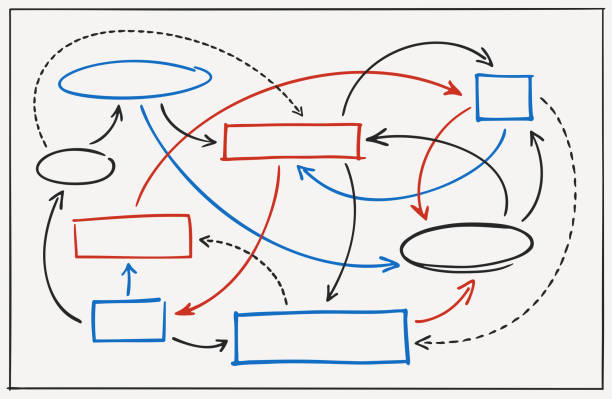
This isn’t a “reps need to work harder” problem. It’s a structural bottleneck.
Modern SaaS buyers expect instant routing, instant qualification, and instant nurture. If your process relies on human consistency instead of automated sequence logic, it won’t survive scale.
Tell-tale sign: Your rep performance drops when inbound volume rises.
Fix this first.
2. Zero Automated Qualification = Reps Waste Time
Most SaaS companies let every lead book a demo — even those who have no intent, no budget, or no fit.
When lead volume is low, this isn’t catastrophic. But at scale?
Your reps become professional tour guides instead of closers.
Symptoms you might recognize:
- Demos with people who “just want to explore.”
- Buyers who aren’t decision-makers.
- Prospects who show up with no defined use case.
- Calls that were never qualified in the first place.
A scalable pipeline filters leads automatically using:
- Form branching logic
- Scored attributes
- Buyer behavior
- Intent signals
- Automated disqualification logic
If your team is drowning in unqualified demos, it’s because your pipeline isn’t doing its job.
3. No Centralized Data = Sales Reps Flying Blind
Scaling leads without cleaning your data is like pouring more water into a leaking bucket.
Typical problems include:
- Incomplete lead profiles
- Missing contact information
- No integration between marketing and sales tools
- Reps manually updating fields (badly)
- No source tracking
Without accurate data, reps can’t personalize follow-up, prioritize accounts, or understand buying intent.
Data issues don’t get better when you scale. They get worse — exponentially.
If you want scalable revenue, your CRM must become your single source of truth.
4. Slow Routing = Dead Leads
Leads decay fast. If your routing process takes hours, you’ve already lost the sale.
Scaling lead flow without fixing routing has one outcome:
The majority of your leads go cold before a rep ever speaks to them.
You need:
- Automated lead assignment
- Load balancing
- Territory logic
- Real-time notifications
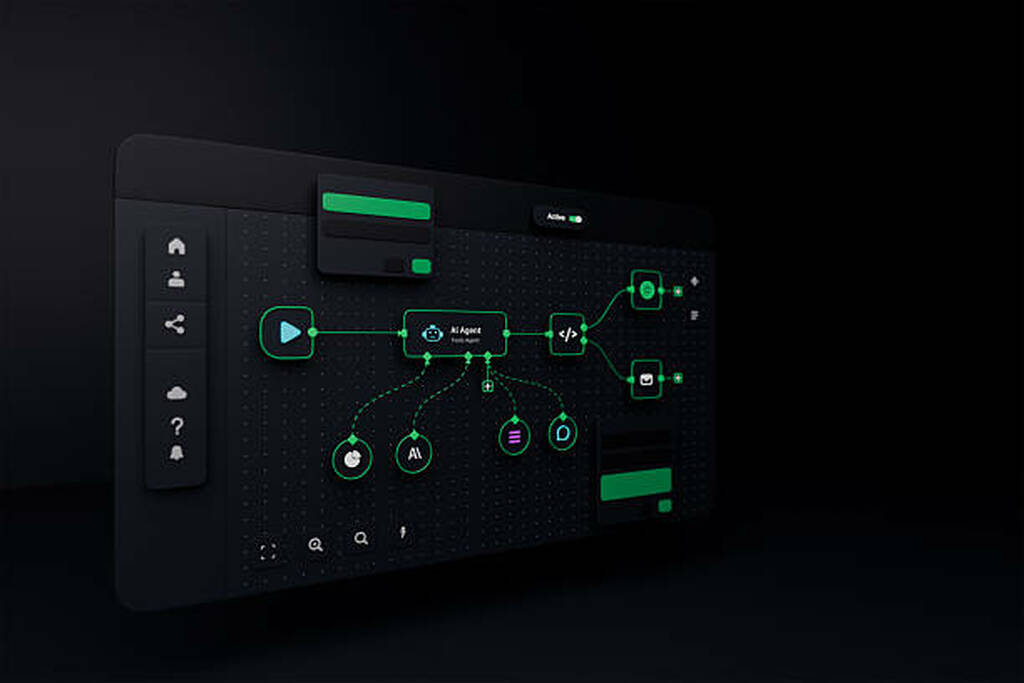
If you don’t have automated routing and your reps are “picking leads” manually, scaling will choke your pipeline instantly.
5. Reps Doing Low-Leverage Work = Zero Scalability
Your sales reps should be doing exactly two things:
Selling and closing.
But in most SaaS teams, they’re also:
- Updating CRMs manually
- Writing repetitive follow-up messages
- Chasing no-show leads
- Sending onboarding instructions
- Managing pipeline hygiene
When lead volume grows, reps drown in admin instead of generating revenue.
Automation should handle:
- Follow-up
- Reminders
- Nurture
- Lead scoring
- Status updates
- No-show sequences
- Pipeline movement logic
If your reps are overwhelmed, it’s not their fault. You’ve built a pipeline that can’t scale.
6. Disconnected Tools Destroy the Sales Process
Most SaaS companies grow their systems like a patchwork:
- One tool for outreach
- One for qualification
- One for demos
- One for onboarding
- One for pipelines
Then everything breaks when volume rises.
A scalable pipeline requires tool unification — everything speaking to one another seamlessly.

If your systems rely on manual syncing or copy‑pasting, scale will punish you.
7. More Leads Magnify Your Bottlenecks
Here’s the hard reality:
If your sales process is inefficient, scaling leads won’t grow revenue — it will amplify the chaos.
Scaling only works if the underlying pipeline is:
- Fast
- Automated
- Data-driven
- Unified
- Consistent
- Predictable
If these elements aren’t in place, scaling will expose the weaknesses in your system, not solve them.
The Fix: Build a Pipeline That Scales Before You Scale Leads
Here’s what a scalable SaaS pipeline MUST include:
1. Automated lead qualification
2. Multi-touch automated follow-up
3. Proper scoring and segmentation
4. Unified data + clean CRM structure
5. Real-time routing and notifications
6. A repeatable, scripted, measurable sales cycle
7. Automation handling 70%+ of rep workload

If you implement these, then you can scale your leads — and conversions will scale with them.
Want Me to Audit Your Pipeline for You?
If you want clarity on exactly where your pipeline is breaking, how many deals you’re losing, and what to fix first, I’ll do a full breakdown for free.
Book your free SaaS pipeline audit call here.
I’ll walk you through:
- Your lead flow
- Your routing logic
- Your automation gaps
- Your qualification framework
- Your follow-up sequences
- Your sales cycle inefficiencies
You’ll leave the call knowing exactly what to fix next — with or without my help.